.png)
Exterior Wood Rot: Detect, Fix, and Prevent
- Jennifer Montag
- Nov 10, 2024
- 4 min read

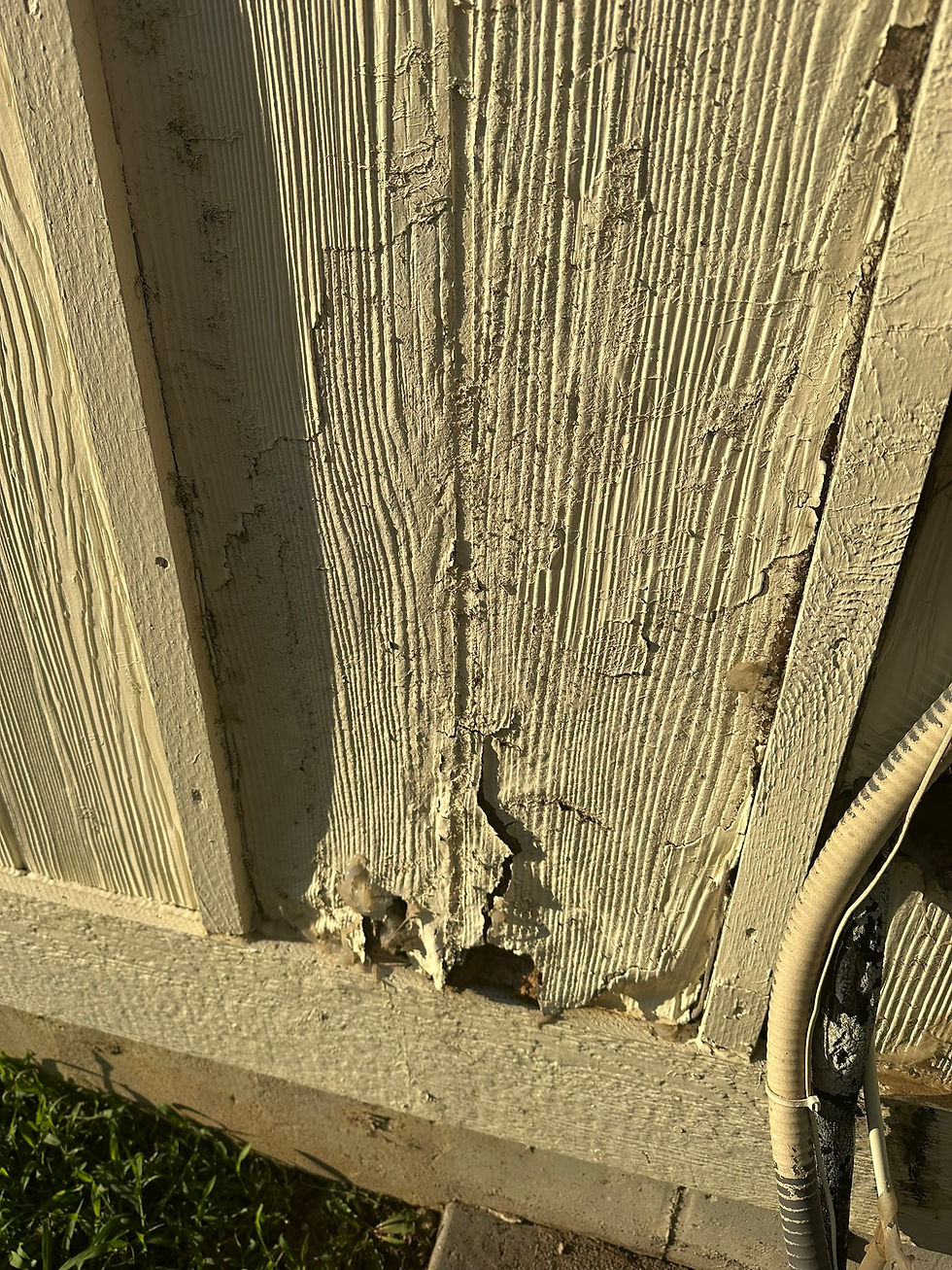 | Wood rot is one of the most common and destructive issues homeowners face, especially in regions with high humidity or frequent rainfall. Whether it’s affecting your deck, siding, windows & doors, or framing, wood rot can weaken the material and lead to costly repairs if not addressed promptly. |
What Is Wet Wood Rot?
This type of rot occurs when wood is exposed to moisture for prolonged periods. Wet rot typically causes the wood to soften, darken, or become spongy.
Causes of Wood Rot
Moisture: The primary cause of wood rot is water. Whether it’s from a leaky roof, clogged gutters, flooding, or excessive humidity, prolonged exposure to moisture creates the ideal breeding ground for rot-causing fungi.
Poor Ventilation: Without proper airflow, moisture accumulates, and the wood doesn’t have a chance to dry out. This is especially common in attics, basements, and crawl spaces that lack adequate ventilation.
High Humidity: In regions with high humidity, even minor leaks or moisture buildup can cause wood to become susceptible to rot over time.
Direct Contact with Soil or Water: Wooden structures that come into direct contact with the ground, such as fence posts, decks, and foundations, are particularly vulnerable. Wood in constant contact with wet soil is at a high risk for rot.
Old or Damaged Wood: Older wood or wood that has been damaged by insects or other external forces is more prone to rot. Cracks or holes in the wood provide easy entry points for moisture and fungi.
How to Prevent Wood Rot
The good news is that wood rot can be largely prevented with a little proactive care and maintenance. Here are some tips to keep your wood safe from rot:
1. Control Moisture Levels
The key to preventing wood rot is to keep the wood dry. Start by ensuring that your home is free from leaks and excess moisture. Here’s how to do that:
Fix Leaks Promptly: Repair any leaking pipes, roofs, windows, or doors as soon as possible to prevent water from seeping into wood surfaces.
Inspect Exterior: The caulking around windows and doors can deteriorate or develop small gaps allowing water to seep into window and door framing.
Wood on Cement: This is almost guaranteed to develop rot as wood in direct contact with cement will soak up the moisture from the porous cement. Decks, wood steps, door frames are all common problem areas that require a barrier between the wood and cement.
2. Enhance Ventilation
Proper airflow can significantly reduce the likelihood of wood rot by allowing moisture to evaporate quickly. To increase ventilation:
3. Use Pressure-Treated or Rot-Resistant Wood
If you are building or replacing wooden elements, consider using pressure-treated wood, which is specially treated to resist rot. Alternatively, woods like cedar, redwood, and cypress contain natural oils and compounds that make them more resistant to decay.
4. Seal and Protect Wood Surfaces
Apply a high-quality wood sealant or paint to wooden surfaces. These products form a barrier that prevents moisture from penetrating the wood. Be sure to reapply the sealant regularly, as it can wear down over time, especially in outdoor environments.
5. Keep Wood Elevated
For wooden structures in contact with the ground—such as decks, fences, and posts—ensure that they are elevated above the soil. This reduces the likelihood of direct contact with moisture. Additionally, ensure that posts and beams are properly treated to resist rot.
6. Inspect Regularly
Regular inspections are crucial for identifying early signs of wood rot before it spreads. Check wooden structures, especially those exposed to the elements, for signs of discoloration, soft spots, or mold. Early detection can save you from expensive repairs down the road.
What to Do If You Discover Wood Rot
If you discover wood rot in your home, it’s essential to act quickly to prevent further damage. Here’s what to do:
Identify the Source of Moisture: Before you can treat the rot, you need to determine the source of moisture and fix it. This may involve repairing leaks, improving drainage, or enhancing ventilation.
Remove Rotten Wood: In some cases, the rotted wood will need to be removed and replaced. If the rot is extensive, you may need to hire a professional to ensure proper removal and replacement.
Treat the Remaining Wood: If the rot is minor, you can treat the affected area with a wood preservative or fungicide to stop it from spreading. Be sure to follow the manufacturer’s instructions carefully.
Consider Replacement: In severe cases, when the rot has compromised the structural integrity of the wood, replacing the affected sections may be necessary to ensure safety.
Sealants: Proper caulking, flashing, barriers are all types of products to prevent moisture infiltration, drainage, and ventilation to keep wood dry.
Wood rot is a serious problem that can cause significant damage to your home if left unchecked. By understanding the causes of wood rot and taking preventive measures, you can protect your home and ensure its longevity. Regular maintenance, controlling moisture, improving ventilation, and using the right materials are key to keeping wood rot at bay. And if you do encounter rot, addressing it promptly will help you avoid costly repairs down the road.
Handyman-JAK.com can help you stay vigilant to protect your home, so you can enjoy the beauty and durability of wooden structures without the worry of decay.


Comments